On August 2, 2018, another co-authored article with the CNews editorial team was published. This time, it was educational — and very practical.
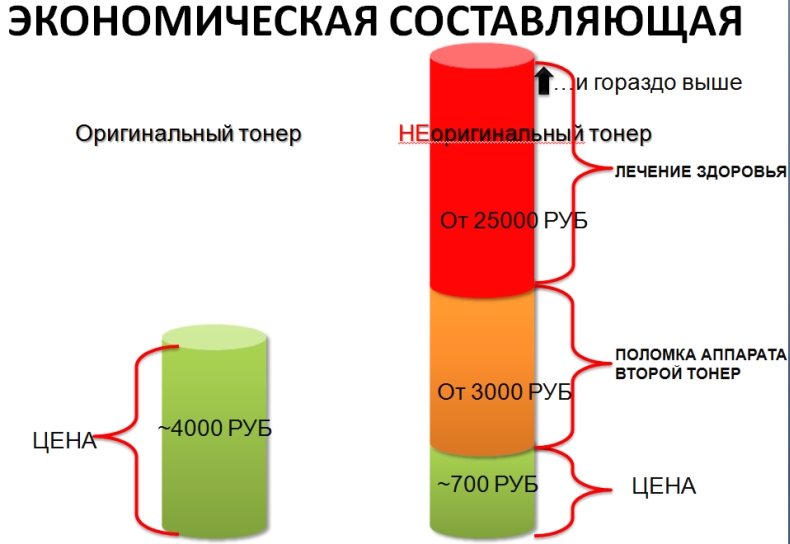
The topic: genuine KYOCERA toner. Why it’s worth choosing, how it’s safe for health and the environment, what makes up its price, and what can happen when using compatible or refilled toner.
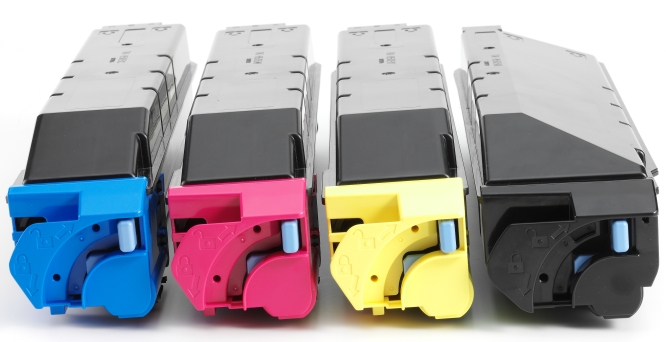
Why did I write this?
Because the printing market is full of myths. Many people think: “Toner is just toner, what difference does it make?” But the difference is enormous. And it’s not just about print quality — it’s about people’s health and the longevity of the printer or MFP itself.
What did I cover in the article?
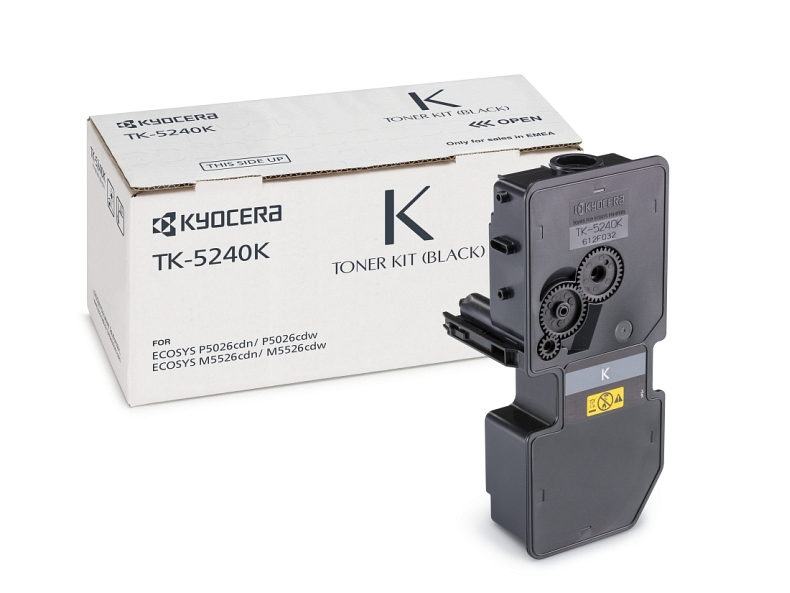
Why genuine KYOCERA toner, created according to the ECOSYS concept, is not just a “consumable” but part of a well-thought-out technological system.
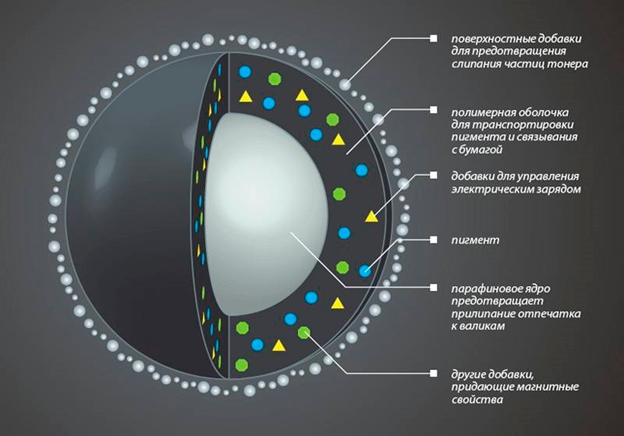
How chemically grown toner with particles of 5–15 microns delivers sharper images, creates less dust, and protects printer components.
Why cheap compatible toners can cause allergies, asthma, and inflammation of mucous membranes — because no one controls their composition.
And, most importantly, how to distinguish a genuine toner from a counterfeit at the point of purchase.
Practical tips from the article that are still relevant today:
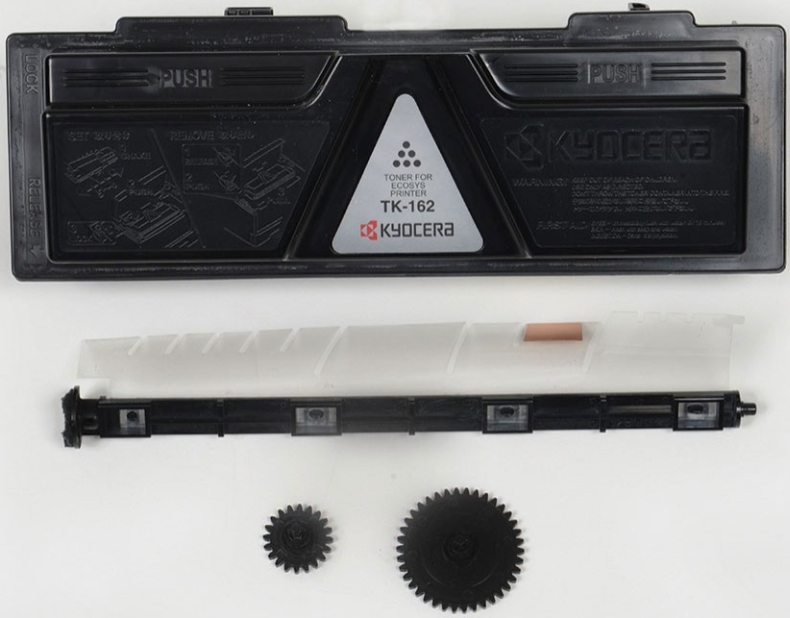
“The first signs that the toner may be counterfeit are its suspiciously low price and place of sale… Poor-quality packaging, blurred text, uneven lines and fonts can also indicate a fake. The same issues will point to counterfeit toner if you carefully examine the accompanying documentation. It should not be printed on recycled paper, and the fonts should not look smudged. Genuine toner always comes with an installation guide featuring the KYOCERA logo.”
And another important marker: holographic stickers that change color, and the orange print-color indicator tab that is colored only on one side.
What did this publication give me?
The realization that I can genuinely help people — and also educate them. My advice helped many customers avoid buying counterfeit cartridges. That means saving money, nerves, and keeping their equipment in working order.
The article still lives in the CNews archives. And I still consider it one of the most useful pieces I have ever written.
P.S. If you or your colleagues use laser printers — I recommend remembering these telltale signs. Fakes haven’t gone anywhere. 😊